
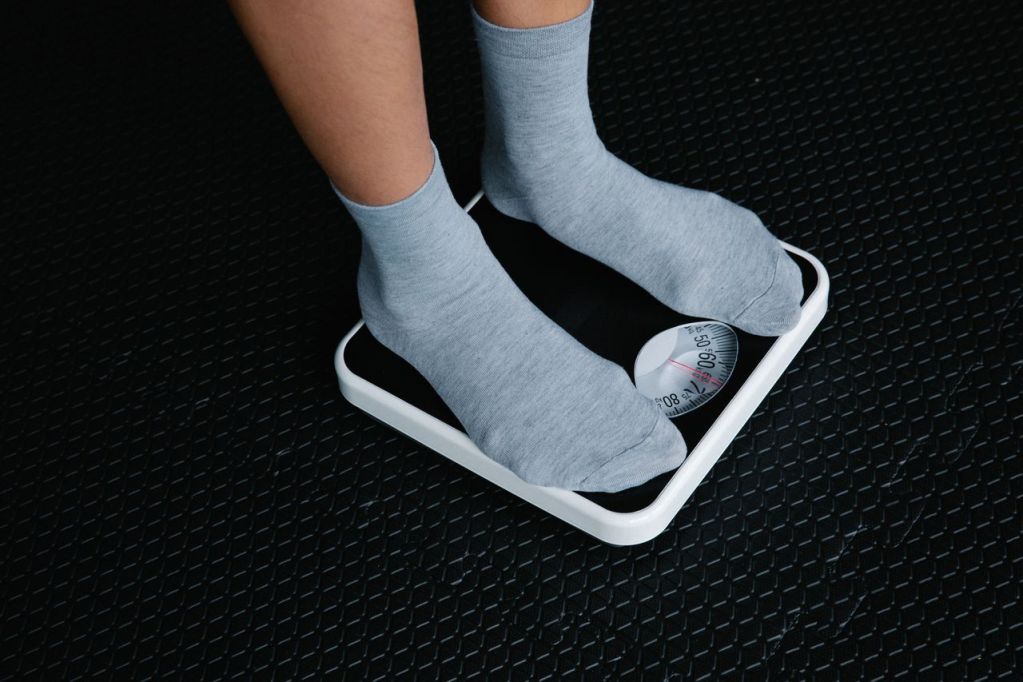
If you’ve started dutasteride for hair loss or an enlarged prostate and noticed the scale creeping up, or you’re researching the medication before starting and want to know what to expect, you’re not alone in asking whether the two are connected. It’s a reasonable question, and the honest answer is more nuanced than a simple yes or no.
Key Takeaways
- Weight gain isn’t among dutasteride’s well-documented common side effects; the most frequent are sexual side effects, breast tissue changes, and dizziness.
- A small number of men do report weight changes, and the likely explanations are hormonal shifts, mild fluid retention, or indirect effects on activity and mood, not a direct, guaranteed cause.
- If you notice weight changes, track the timing, other symptoms, and lifestyle shifts, and bring it to your provider rather than stopping the medication on your own.
What It Actually Does in Your Body
Dutasteride works by blocking the enzyme that converts testosterone into dihydrotestosterone, or DHT, reducing DHT levels in your bloodstream by more than 90 percent. That drop in DHT is what shrinks an enlarged prostate and slows hair loss, but DHT isn’t only involved in those two processes. It plays a role in several hormonal pathways throughout the body, which is part of why some men notice broader changes beyond the specific symptom they started treatment for.
Is Weight Gain a Recognized Side Effect?
Weight gain isn’t listed among the well-established, common side effects of this medication the way sexual side effects, breast tissue changes, and dizziness are. That said, it’s not something that should be dismissed outright either. A small number of men report noticeable weight changes after starting the medication, and there are a few plausible explanations worth understanding rather than ignoring.
How It Might Indirectly Affect Weight
Hormonal shifts affecting metabolism. Because this medication changes the balance between testosterone and DHT, and because testosterone itself plays a role in metabolic rate and fat distribution, a shift in this balance could plausibly influence body composition for some men, even without a dramatic change in overall hormone levels.
Fluid retention. Some men experience mild fluid retention while on 5-alpha reductase inhibitors like this one. This can show up as a small increase on the scale that reflects water weight rather than actual fat gain, and it typically isn’t a cause for concern on its own.
Sexual side effects affecting activity and mood. The most common side effects here are sexual, including reduced libido and changes in sexual function. For some men, this can indirectly affect motivation, mood, or activity levels in ways that influence weight over time, an indirect pathway rather than a direct pharmacological one.
Coincidental timing. Men often start this treatment around an age when metabolism naturally begins to slow, and around the same time other lifestyle or health factors are shifting. Not every change that happens after starting a medication is caused by it.
What the Research Actually Shows
Weight gain doesn’t appear as a prominently documented side effect in the clinical trial data for this medication the way it does for some other medications known to affect weight, such as certain hormonal or psychiatric drugs. The most well-documented and common side effects remain sexual in nature, along with breast tissue changes and, rarely, more serious effects like allergic reactions or liver complications. This doesn’t rule out an individual connection for some men, but it does mean a dramatic, guaranteed weight gain isn’t something most men should expect from starting treatment.
What to Do If You Notice Weight Changes
If you’ve started this medication and you’re seeing the number on the scale move, the right response isn’t to stop it on your own; it’s to bring it up at your next check-in. A few things are worth tracking and discussing with your provider:
Timing. When did you notice the change relative to when you started treatment? A shift that began well before that point likely has a different cause.
Other symptoms. Are you also noticing fatigue, mood changes, or fluid retention (swelling in your feet or ankles)? These details help your provider distinguish between a few different possible explanations.
Diet and activity changes. Has anything else shifted around the same time, such as changes in exercise routine, stress levels, sleep, or diet? These are common contributors to weight change that have nothing to do with medication.
Bloodwork. Your provider can check relevant hormone levels and rule out other causes, like a thyroid issue, that can independently cause weight gain and sometimes get attributed to whatever medication a person happens to be taking at the time.
Why This Deserves a Real Conversation, Not Guesswork
Weight changes can have a lot of different causes, and self-diagnosing which one applies to you rarely gets you an accurate answer. A men’s health provider who’s already managing your prescription is in the best position to look at your full picture (your other symptoms, your bloodwork, and your timeline) and help you figure out what’s actually going on, rather than you guessing based on an internet search.

Frequently Asked Questions
Does dutasteride cause weight gain in most men?
No. Weight gain isn’t among the commonly reported side effects in clinical data. The most frequent side effects are sexual in nature. A smaller number of men report weight changes, but a clear, direct cause isn’t well established.
Can dutasteride cause fluid retention?
Some men do experience mild fluid retention while on 5-alpha reductase inhibitors, which can show up as a small increase on the scale. This is generally different from actual fat gain.
Should I stop taking this medication if I gain weight?
No, not without talking to your doctor first. Stopping a prescription medication on your own removes the chance to identify the actual cause and can mean losing the benefits you started treatment for in the first place.
What should I track if I notice weight changes?
Note when the change started relative to your treatment, any other new symptoms, and any other lifestyle changes happening around the same time. This information helps your provider pinpoint the actual cause.
Get Real Answers About Your Treatment
At Maverick Men’s Health in Fayetteville, AR, every prescription, including dutasteride, comes with real monitoring, not just a prescription and a goodbye. If you’re noticing changes you weren’t expecting, we’ll help you figure out what’s actually behind them.
Visit: 1420 E Augustine Ln #7, Fayetteville, AR 72703